DesignJust4You · Digital solutions for business
DesignJust4You / Project guide
Custom software development
01Process
Who does the work, with which data and under which business rules?
02Specification
Roles, functions and delivery acceptance criteria.
03Development and checks
Testing each functional area with future users.
04Implementation
Data migration, training and agreed support.
Example workflow. The specific scope depends on the project.
Four connected development phases. We agree on detailed scope according to your process.
When does a business need custom software?
If you enter the same data into several programs, search messages for job status or compile reports manually every month, the first step is to review the whole workflow. Sometimes connecting existing tools is enough. When an off-the-shelf system does not meet key requirements, custom software development allows rules, access and functionality to follow your business.
We start with a specific task: who uses the system, what data they enter, what they need to approve and what result they expect. This ties development scope to a real business problem.
Example: from a customer enquiry to a completed job
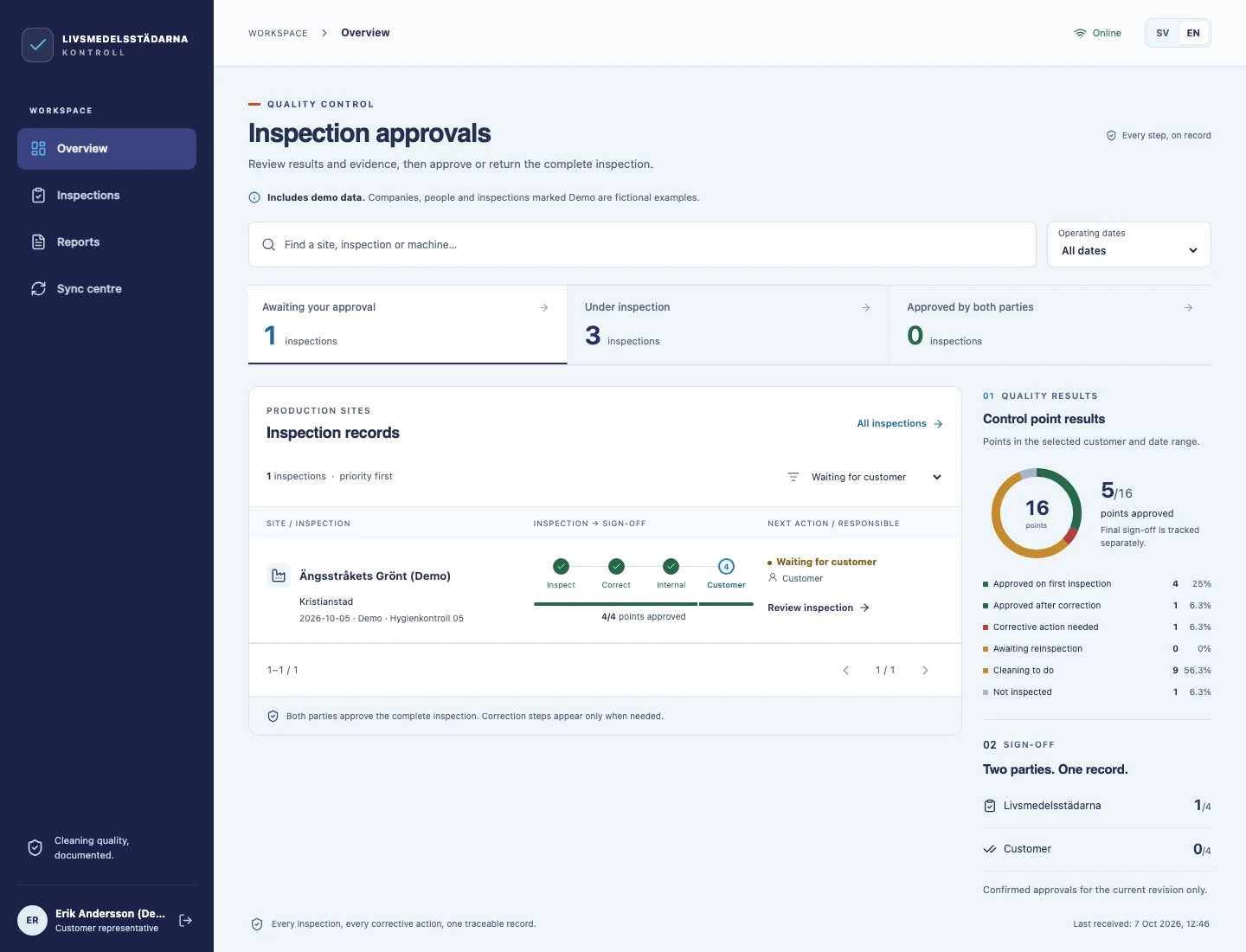
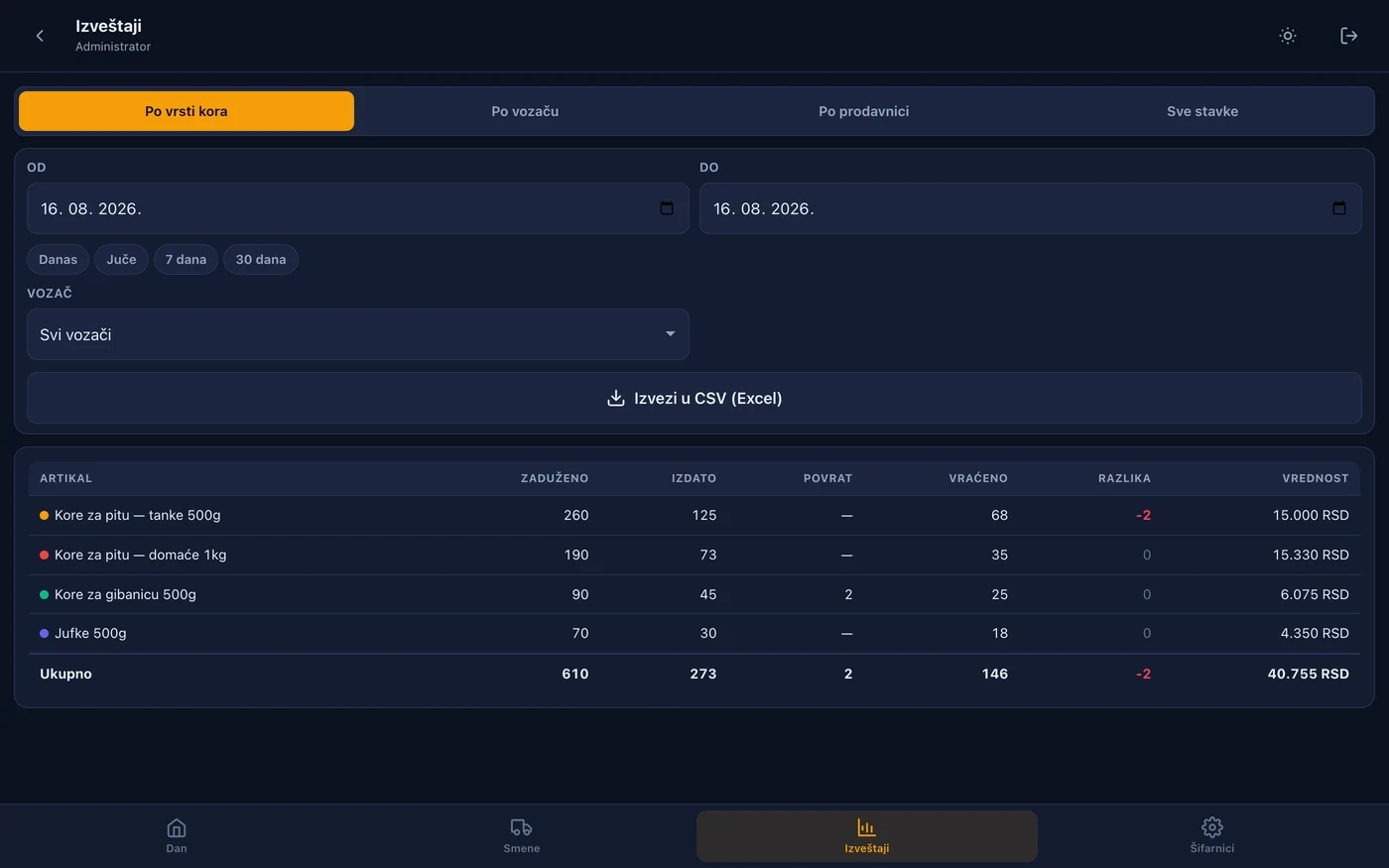
A company managing quotes in spreadsheets can gain a single workflow: a website enquiry enters the records, the responsible person receives a task, the quote changes status and approved work becomes a work order. The manager sees open tasks and deadlines. This is an example of a possible solution; we shape the specific screens and rules around your process.
How much does custom software development cost?
Pricing is determined by the number of user roles, rule complexity, integrations, data volume and implementation and support requirements. We prepare a quote after analysis, clearly listing phases, deliverables and external service costs. We can plan a smaller first version as a standalone phase, with extensions prioritized later.
Request an estimate for the first phase →
In your message, name one process you want to improve, the approximate number of users and the programs you already use. We then agree on the next step and the information needed for a specific quote.
How do we check quality and prepare handover?
Custom software development includes agreeing on how each feature will be checked. For a typical work order, for example, we test entry, status changes, assignment to a responsible person and behaviour when data is missing. We pay particular attention to what each user role may view and change.
Before launch, we agree on the environment, access, backups and problem reporting. We state the scope of technical documentation, training and maintenance in the delivery agreement. This helps the team know whom to contact and how to propose subsequent changes.
For user screens, it is also important to consider readability, keyboard operation and clear error messages. The W3C WCAG guidelines can help define accessibility requirements; the specific level and scope of testing are agreed for the project.
How should you prepare a project before development?
Custom software development begins with understanding how work is done. Before the first discussion, choose one process that currently takes the most time: preparing quotes, scheduling employees, processing orders or tracking requests. Describe its start, finish and the people involved. Record exceptions too, because they often contain requirements that change the estimate.
An example from your team's work is more useful than a long list of features without context. Prepare an anonymized form, spreadsheet or description of a typical working day. State where data is duplicated, where waiting occurs and how you currently check that a job is complete. An initial estimate does not require passwords, trade secrets or clients' personal data.
What do we define in the specification?
- Roles and permissions: who creates, changes, approves and views each type of data.
- Workflow: which statuses a request passes through and what triggers the next step.
- Rules: required fields, calculations, deadlines, limits and exception handling.
- Integration: which systems exchange data and which system is authoritative for each field.
- Reports: which decisions they should inform, who uses them and how often.
- Acceptance: specific scenarios used to check that a feature is ready for use.
Custom software development can begin with one well-defined functional area. If every part depends on ten others, we work together to find a smaller workflow that can deliver value independently. This provides earlier user feedback and makes it easier to prioritize the next phase.
An off-the-shelf tool, integration or custom software development?
An off-the-shelf product has an advantage when it already covers your process and customization does not change its core logic. In that case, compare licences, user numbers, data export options and implementation costs. There is no need to develop every feature from scratch if an existing solution meets the requirements.
Custom software development becomes justified when key business rules cannot be implemented practically with existing tools, or when manual connections and supporting spreadsheets become the main obstacle. A third option is to retain existing programs that work well and develop a module connecting them. We describe this type of project in more detail on our API integrations page.
For the decision, we compare the total planned cost: development or subscriptions, migration, training, maintenance and extensions. Your team's ability to perform everyday tasks independently also matters. The lowest starting price does not reveal how much additional work a later process change will require.
For a practical decision, read our guide Excel or custom software, with a comparison of options, an example workflow from enquiry to quote and a list of information needed for a project estimate.
Data migration and team implementation
Custom software development often involves information that already exists in spreadsheets or other programs. Before transfer, we check structure, duplicates, missing fields and relationships between records. We agree on which data remains in the archive and which moves to the new system. A trial import reveals problems before the final transition.
A responsible person should be assigned to each data type. For example, sales confirms customers and open quotes, while the operational team confirms work orders. After the trial import, samples and totals are checked to see whether information has been lost or linked incorrectly. A rollback plan and transition window are agreed before launch.
Implementation usually starts with a smaller user group and clearly selected tasks. We separate their feedback into errors, missing requirements and improvement suggestions. Documentation should describe everyday work as well as the system's technical structure. The quote defines training scope and support responsibility.
How do you compare development quotes?
When comparing quotes, check that they describe the same scope. One custom software development quote may include analysis, a test environment and migration, while another covers only the development of predefined screens. Ask for assumptions, deliverables, responsibilities and the change approval process to be listed.
Clarify hosting, licence, external service and maintenance costs. Agree on what happens if a provider's API changes or data volume grows. Everything need not be included in one price, but it should be clear what is included and what needs a separate estimate.
How do you measure value after implementation?
Before starting, record the time taken for a key task, the number of repeated entries or the frequency of errors you want to reduce. After implementation, compare the same process over a similar working period. Custom software development then has a testable goal linked to your team's work.
For the initial discussion, send a description of one process, existing tools, an approximate user count and the desired result. Together we can establish whether analysis, integration or a standalone product is needed first. Detailed scope and timing are confirmed after reviewing the requirements.
What if requirements change during the project?
We first describe the change in terms of the user's task and its impact on agreed features. We then check whether it changes data, permissions, integrations or testing. Only after that are the estimate and priority confirmed. This keeps custom software development clear even when a project reveals new needs.
A separate requirements record helps distinguish an urgent correction from a new feature. Your team can decide whether to introduce a new capability immediately, replace an earlier priority with it or leave it for the next version. We record agreed decisions so both sides share the same view of scope, timing and responsibilities.
Let's discuss your process
DesignJust4You connects design and development with your business goals. If you need a company presentation website, explore website development, and for selling products, online store development. For a solution used on a phone, see mobile applications.
Describe your project and request a quote →