Development for your business
We start by discussing what your business needs to do through its website or application. You may need clear service information and a contact route, or a system for ordering, approving requests or working with data from several sources.
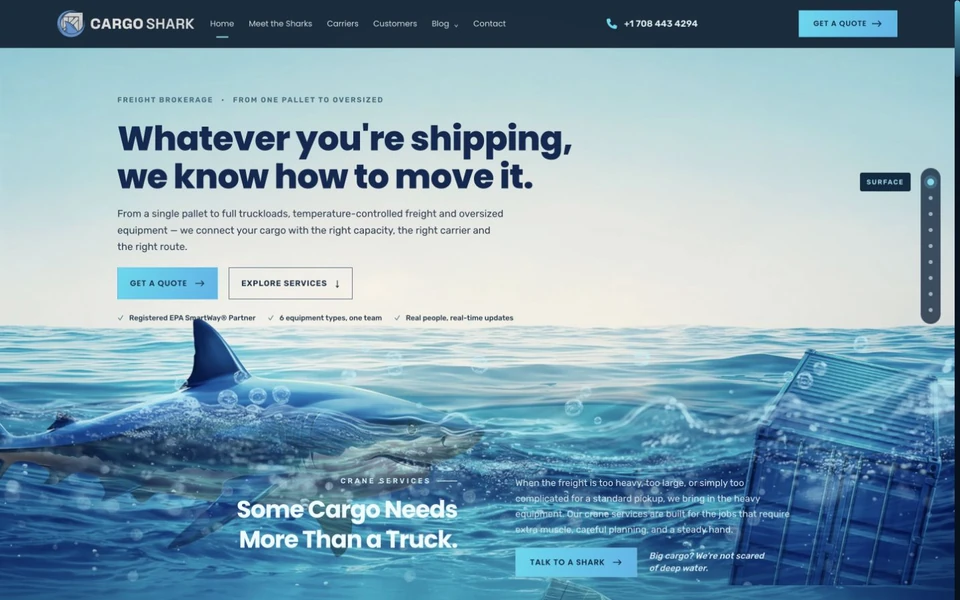
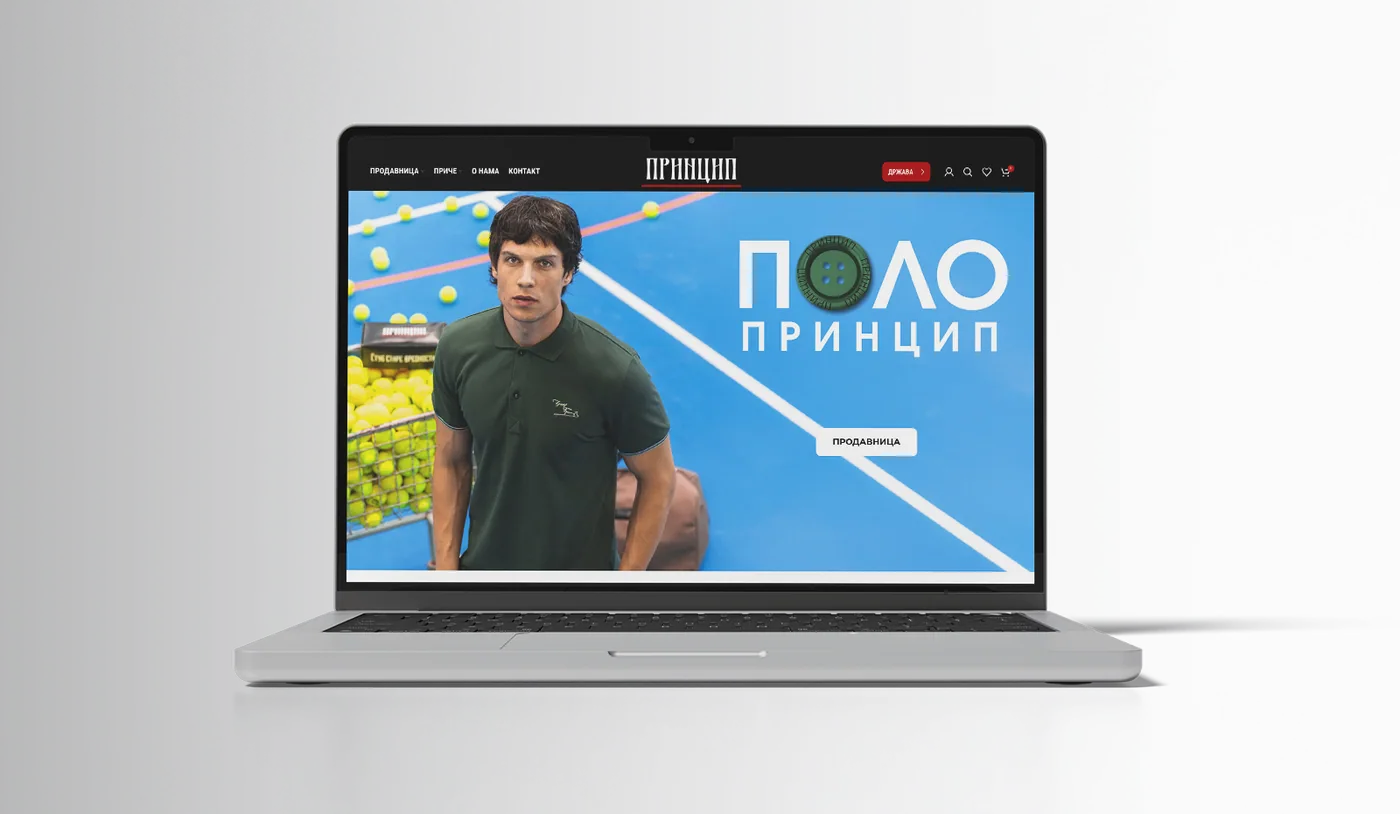
For website development, we bring content, design and features together so visitors can find the right information or send an enquiry. We also build online stores, planning the catalogue and the steps customers take to place an order.
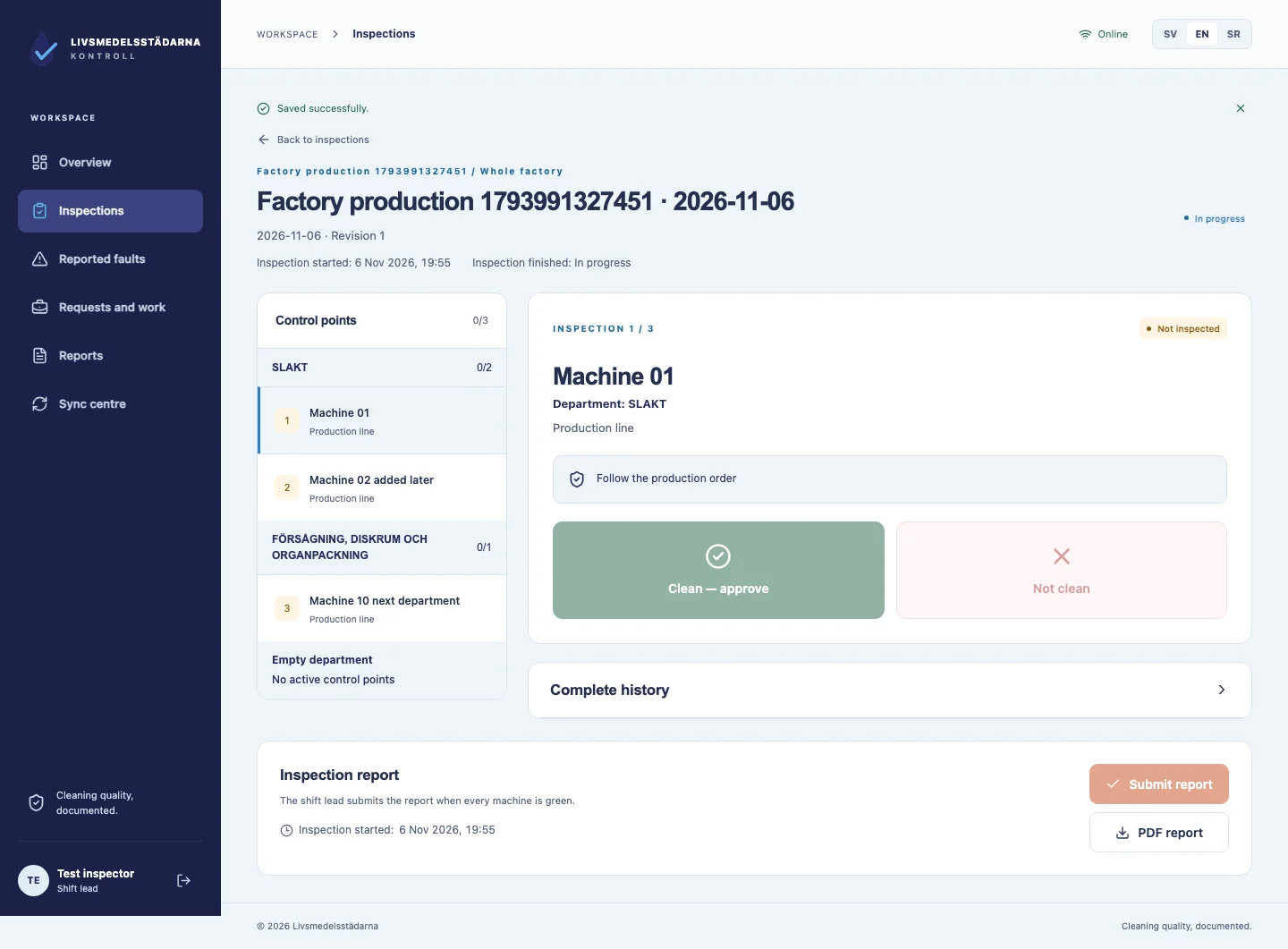
When a task needs regular use on a phone, we plan a mobile application. For specific business rules, user roles and connected data, we develop custom software and B2B portals. We agree the scope around the process you need to support.
How do we organise a project?
At the start, we establish what belongs in the first release, who will approve content on your side and how we will check completion. The proposal sets out scope, timing and responsibilities.
- Requirements. We work through your audience, content and important tasks. For business software, we also record permissions, exceptions and connections to other systems.
- Design and development. We turn the agreed structure into screens and features. Content editing is planned around the people who will use it after handover.
- Checks before launch. We check the agreed user journeys, forms and layouts across screen sizes. For specific features, we agree examples that will demonstrate the expected behaviour.
- Handover and support. We agree account access, the publishing process and where to report a problem. Maintenance and future development have their own scope.
For an initial conversation, you can prepare a website project brief. Describe your work and what is missing from your current setup; we can work through open questions together.
What matters after launch?
Before handover, it should be clear who updates content, where account access is held and how to request support. Our website offer includes three months of free maintenance within the agreed scope. Current terms and packages are on our website development page.
A CMS can let your team make agreed content changes independently, while publishing more complex changes may require review and development work. Our practical content-editing example explains the difference between preparing a draft and publishing it.