iOS | Android mobile application development

Mobile application development starts with the task the user needs to complete: booking an appointment, submitting a request, tracking an order or accessing data in the field. We define first-version features, user roles and supported devices with you, then plan design, development and testing accordingly.

Which task should the first release solve?

We start with a clear business workflow. Together we define the first release, acceptance checks and the next phase, then choose technology to suit its users.

App cost and first-release scope
Users and roles
Who uses the app, approves work and edits data?
Three key tasks
What must a user complete in the first release?
Data and administration
What exists already, and what backend work is needed?
System integrations
Which services does the app exchange data with?
Devices and offline work
Which devices are supported, and what must work offline?
Access and distribution
Web access, internal use or distribution through app stores?

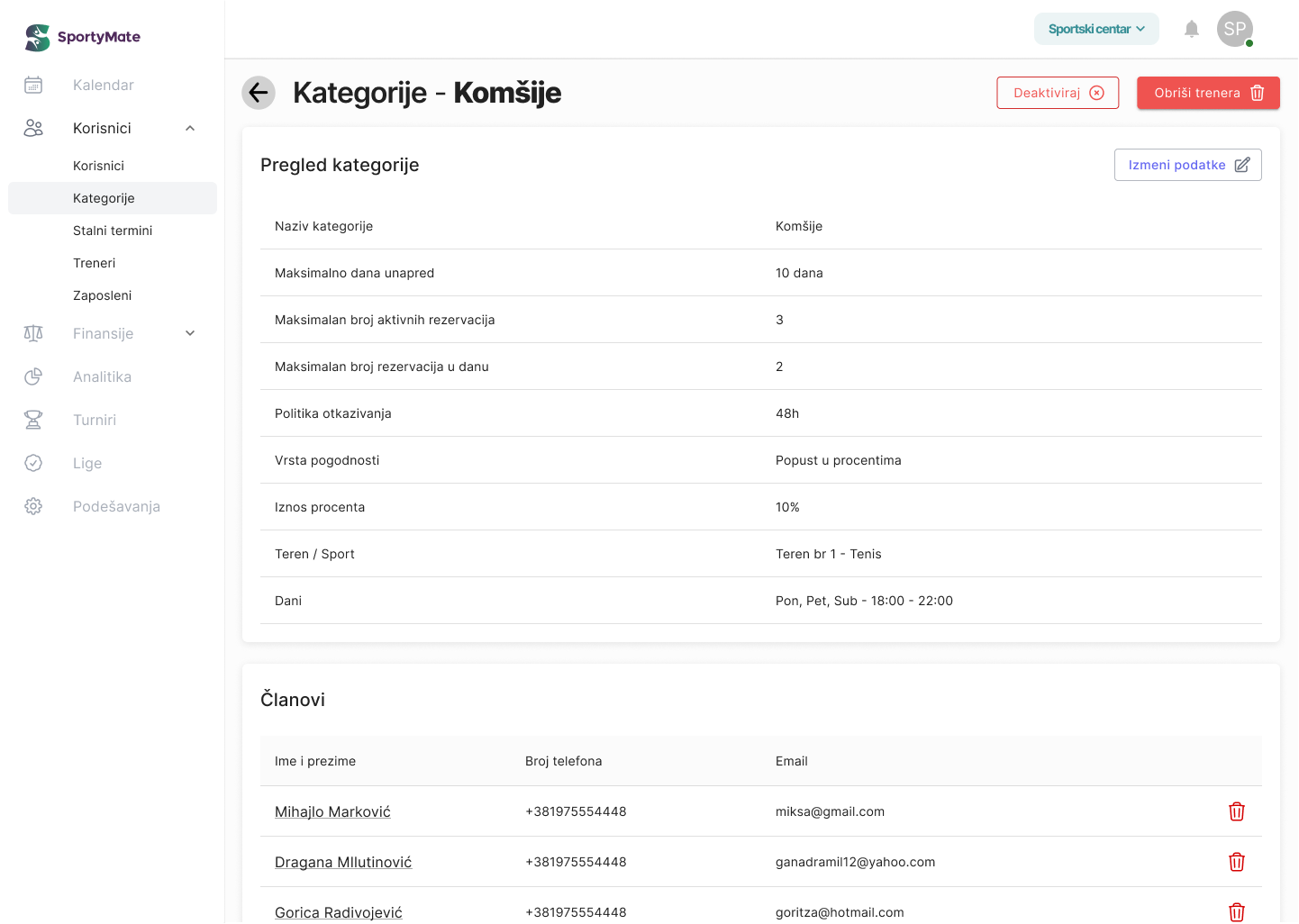
Business web applications from our projects

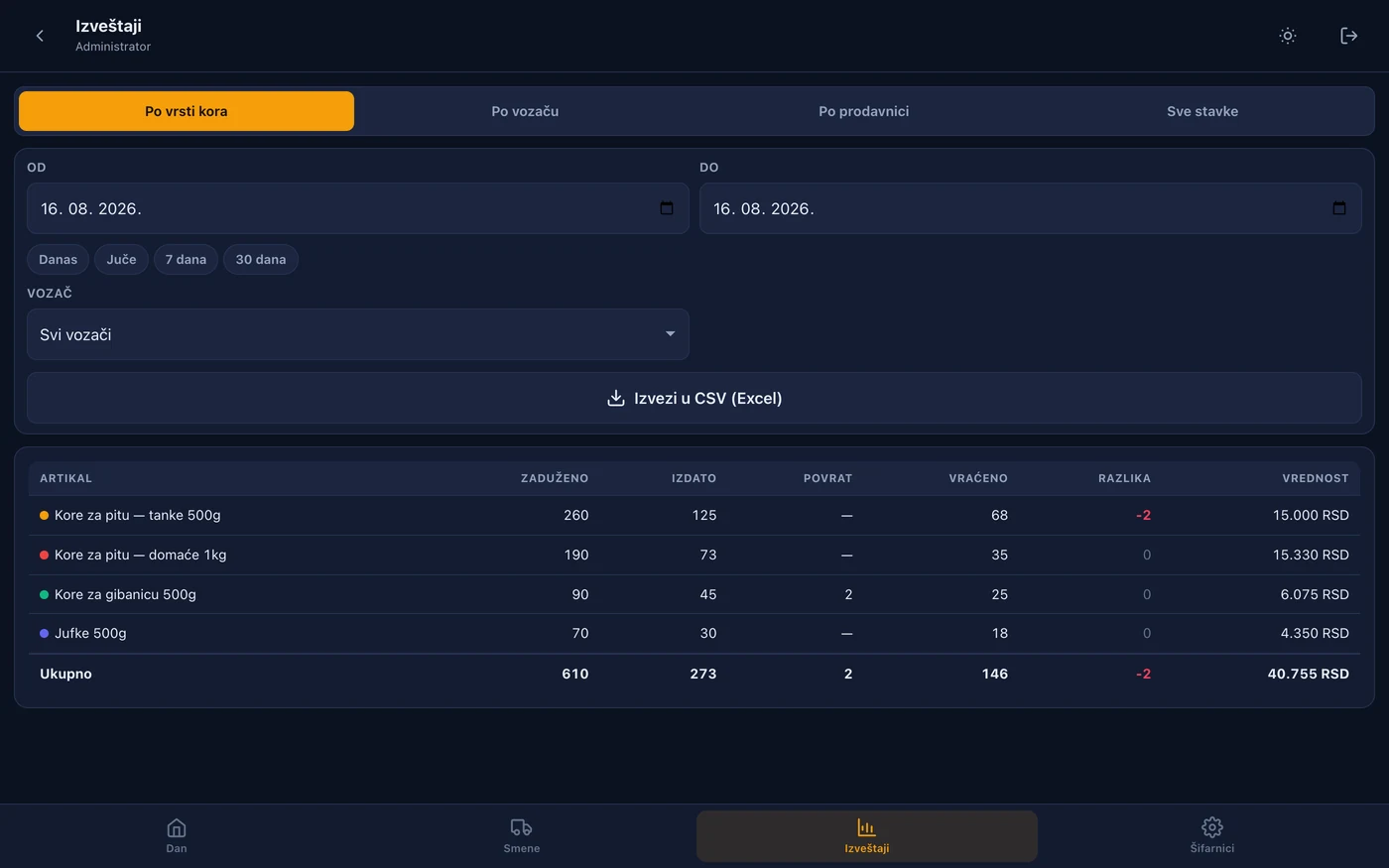
  • Kore

    Phone-based stock allocation, delivery and return records, with an administration view.

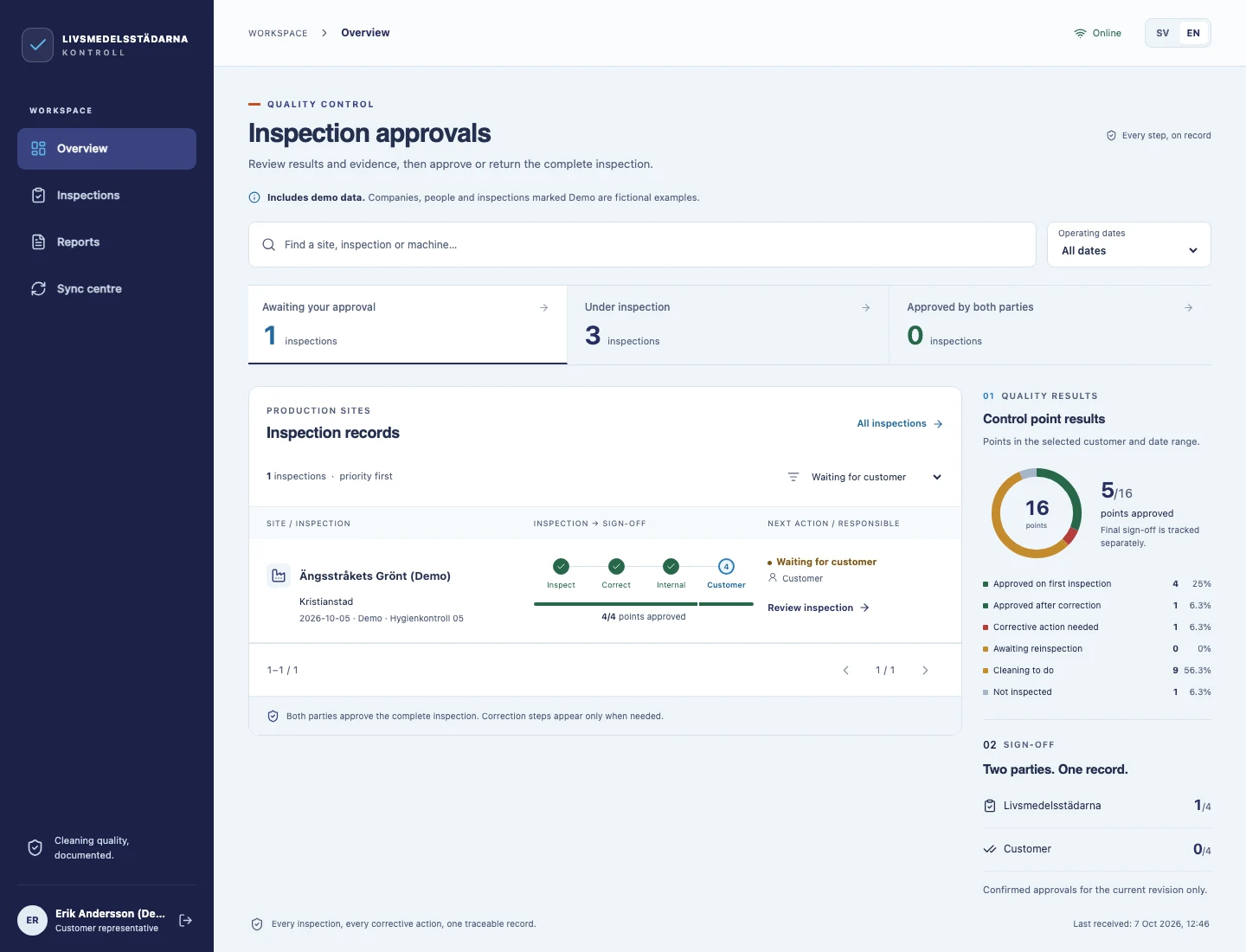
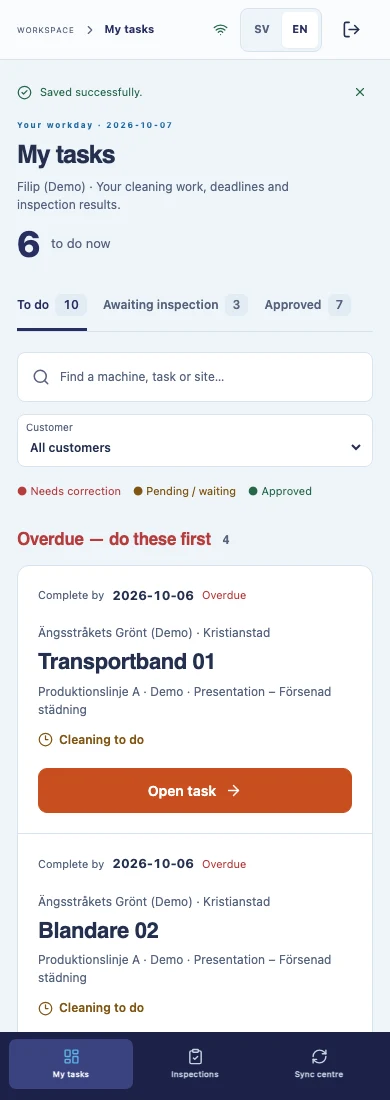
  • Livsmedelsstädarna

    Employee tasks, inspection checks and customer access to records for their facilities.

Termin — appointment app concept shown on two smartphones
Mobile app design conceptTermin.

An illustrative app concept for finding salons and booking appointments.

Let’s talk about your app →

iOS devices

We agree on supported iOS versions and iPhone models according to the application features and target audience, then include them in the testing plan.

Android devices

We adapt and test the Android application on agreed operating system versions and representative devices with different screen sizes.

UI/UX design

We create a visually appealing, user-friendly application focused on the user experience.

CMS system

We build the application's backend to your preferences, meeting your requirements and needs.

Professional mobile application development for different platforms

Mobile application development for iOS and Android also includes preparation for publication. Before submission, we check the current Apple App Review Guidelines and Android quality guidelines. Store approval depends on its review process. We clarify timing, support scope and any account fees in the quote.

An individual approach and analysis for every project

We have experience developing iOS and Android applications. For each project, we review the requirements, goals and user needs individually.

Strategy, design and development for an outstanding user experience

We start mobile application development by reviewing your idea, target audience, competitors and required features. We use this information to prepare the development strategy.
Designers then shape an interface that is visually appealing and easy to understand.

Quality development and support

Our developers work with different languages, platforms and current development tools. We consider application speed, reliability and room for growth during development. We then test the features and fix the errors we find. We also provide support after launch so users can complete the intended tasks.

A partnership for success

Contact us to discuss your mobile application idea. Our team will answer your questions and suggest an approach that fits your business needs.

Choose us and create an
innovative digital solution

Describe what your mobile application should let users do and what value you expect it to bring to the business. Contact us to discuss the idea and the next step.

How is a mobile application built?

We listen to your needs and requirements, analyse them and suggest how to carry out the project.

Getting to know each other

Completing a free project estimate, filling in the contact form or speaking by phone starts the first introduction phase.

Meeting

The second phase begins with a discussion between your team and ours about every project requirement or problem, with both teams proposing solutions.

Planning

In this phase, we set and prioritize goals, create a project schedule, identify potential problems, complete a risk assessment and provide deadlines.

Execution

Developers build the trial, or beta, version using the details agreed in the previous stage.

Testing

The fifth phase involves testing every detail in the Beta version, then preparing the final product version for publication.

Delivery

We hand the completed project over to the client and make it available to users.

When does my business need a mobile application?

Mobile application development takes time and a budget. Before investing, assess whether the value to users and the business justifies the cost, and what return on investment (ROI) you expect.

When is mobile application development justified?

Mobile application development makes the most sense when users regularly perform the same task and a phone offers a specific advantage: booking in a few steps, scanning a code, working in the field or receiving notification of an important change. Simply wanting a company icon in an app store is not a sufficient reason to invest. Before development, describe the problem, how often it occurs and the value you expect.

If customers mostly look for service information and send occasional enquiries, a quality mobile-friendly website may be a sufficient first investment. For a business tool used through a browser, explore web application development. Mobile and web products can share data, but have different interface, distribution and maintenance requirements.

Mobile application development: what goes into the first version?

We define the initial scope around the key user journey. For a booking system, this could include selecting a service, viewing available appointments, confirming and cancelling. Extra benefits, recommendations and a loyalty program can wait if they are not needed to test the product's core value. A smaller, clearly defined start makes estimation and acceptance of the finished solution easier.

  • Users: who accesses the application and which information may they see?
  • Actions: what should the user complete, in what order and with which confirmations?
  • Data: where does it come from, who edits it and how often does it change?
  • Devices: which operating system versions, screen sizes and phone capabilities do we support?
  • Integration: are there existing websites, stores, CRM or other systems that need to exchange data?
  • Success checks: which actions will we track to see whether the product solves the initial problem?

What determines cost and timing?

Mobile application development cannot be reliably estimated from screen count alone. Business rules, user sign-in, payments, administration, offline use and integrations affect the scope. A simple interface may hide a complex approval or synchronization process. In the quote, we therefore separate features and dependencies instead of promising the same deadline for every project.

For a useful estimate, send a short description of the problem, main roles, three key features and existing systems. Add examples of applications you like and explain why. If you have a target launch date, explain the reason for it too. We can then suggest what to do first and what can move to a later phase.

How do we check an application before publication?

Mobile application development includes checking successful and unsuccessful scenarios. Sign-in and booking working only with ideal data is not enough. We work through incorrect input, connection failure, session expiry, repeated requests and unavailable services. The agreed test cases also let you check the delivery before publication.

We pay particular attention to readability, control sizes, keyboard behaviour, device permissions and error messages. Requests for camera or location access should have a clear purpose in the feature the user activates. For connections to existing systems, we check documentation, test accounts and the availability of a responsible contact in advance.

What should you plan after launch?

After publication, monitor errors, completion of key actions and user feedback. Mobile application development and subsequent maintenance have different scopes, so the agreement clearly states support, changes and future versions. Changes to operating systems and connected services may require further adjustments.

The agreement should cover source code access, publishing accounts, administration, problem reporting and documentation handover. This lets the product owner understand the resources available and how the next phase is planned. To get started, send a project estimate request describing the process you want to simplify.

Who prepares the content and accounts?

Before starting, we agree on who supplies text, photos, translations and test data. If the application has a catalogue, bookings or user profiles, establish who edits that information and through which administration panel. Access credentials for production systems are not sent through public project documentation; we agree on the exchange method with the responsible person.

Mobile application development runs more smoothly when one representative of your team consolidates feedback and confirms priorities. For each phase, we record what has been accepted and what remains open. A new feature suggestion can then receive a separate estimate without uncertainty about the original scope. Before the project ends, we review basic administration tasks and document the problem-reporting process.

Why must your mobile application be worth downloading?

Your application must be worth downloading: that is the key. A business usually needs to provide a unique experience that cannot be found on its website. If your app simply tells people about your organization and shares blog articles that are no different from your website, it is unlikely to be very successful unless you produce a huge amount of content and have a highly loyal following. Your app should usually let users do something your website does not offer, such as scanning receipts to earn points, providing an augmented reality experience that lets them interact with your product, or playing a game.

The advantage of push notifications for businesses

Push notifications connect the app with customers beyond the purchase itself. They can announce sales, discounts, events, opening-hour changes or limited-time offers. This communication can also benefit companies that do not sell through their app.

The advantage of applications for internal use

Many companies use internal applications to communicate with staff and support remote work. Companies with remote employees or staff on sites, such as in construction or engineering, often use internal apps for efficient communication between the site and office or to send technical data to a database. Vehicle fleets can be tracked safely through an app without employees needing to send messages while driving. We have built applications like these for clients, and they become very valuable to their teams and customers.

We tailor mobile applications to your needs

We develop mobile applications around your idea, choosing technologies and tools to suit the project.

  • We listen to your ideas
  • We create the best strategy
  • We build the application
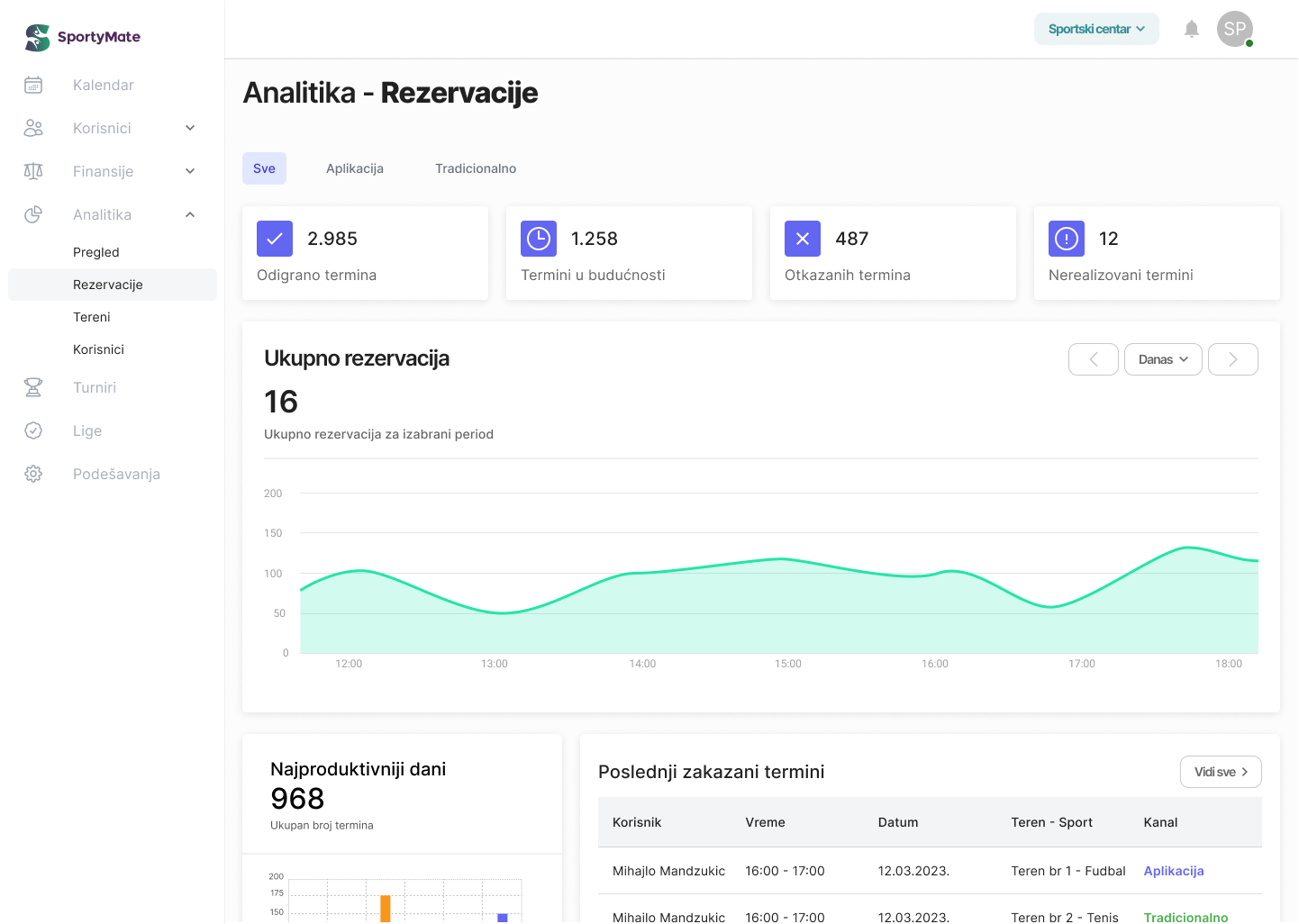
SportyMate analytics – mobile application development

Adapted to agreed devices

We adapt the interface to agreed screen sizes. Before launch, we check key user journeys, readability and controls on supported devices and operating system versions.

Responsive interface concept on a laptop, tablet and phone

Mobile applications can be more useful than a website

An app can present a brand through a full-screen display, animations and a recognisable icon. This approach can contribute to the user experience, though its benefits and limitations need to be assessed against the app’s purpose.

Three signs that your business should consider a mobile application

Consider a mobile app when you need a tailored experience your website does not provide, closer contact with regular customers or a way to share frequent content with a large, loyal audience. Our development team works on mobile applications; contact us to discuss which of these needs applies to your business.

We have launched websites
around the world

We build websites for clients around the world.

250+

Over 250 successfully completed projects.

SEO

SEO setup based on the selected package and project requirements.

1.5M+

Over 1.5 million monthly visits to websites we have built.

20+

Our team includes over 20 experienced designers and developers.

Increase traffic and sales through your website

SEO (Search Engine Optimization) helps people searching for your products or services find your website.

SEO (Search Engine Optimization)

Image preview

YOUR NEXT PROJECT

We listen. We analyze. We deliver.

Free project estimate